
Introduction
In the construction industry, efficient and practical accommodation solutions are essential for ensuring the well-being and productivity of workers. One increasingly popular option is the 40FT container home, which offers a versatile and durable solution for temporary housing on construction sites. This article explores the numerous benefits of using a 40FT container home for construction site accommodation, including cost-effectiveness, flexibility, comfort, and sustainability.
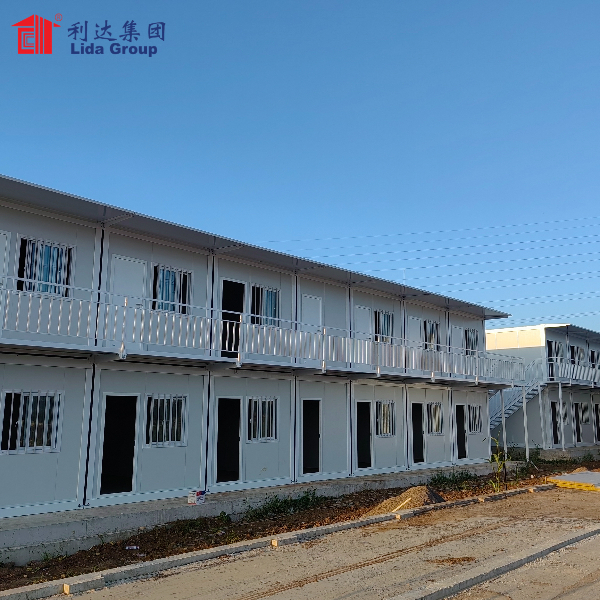
Understanding Container Homes
What is a Container Home?
A container home is a living space created from repurposed shipping containers. These robust steel structures are designed for transport, making them incredibly durable and adaptable for various uses, including residential living. A standard 40FT container typically provides around 320 square feet of interior space, accommodating multiple functions and configurations.
The Rise of Container Homes in Construction
As the construction industry evolves, the need for innovative accommodation solutions has grown. Container homes have emerged as a practical option for construction sites, providing a reliable and comfortable living environment for workers. With the increasing focus on efficiency and budget management, container homes are becoming a favored choice among contractors and project managers.
Advantages of Using a 40FT Container Home for Construction Site Accommodation
1. Cost-Effectiveness
One of the most significant advantages of utilizing a 40FT container home for construction site accommodation is its cost-effectiveness:
- Lower Initial Costs: Container homes can be more affordable than traditional temporary housing solutions, such as trailers or modular buildings. The repurposing of shipping containers helps reduce material costs.
- Reduced Labor Costs: The quick assembly and setup of container homes minimize labor costs associated with construction. Many container homes can be pre-fabricated and delivered to the site, reducing the time and effort required for setup.
- Long-Term Savings: Container homes are built to last, requiring less maintenance and fewer repairs over time. This durability translates to long-term savings for construction companies.
2. Flexibility and Mobility
A 40FT container home offers unparalleled flexibility, making it ideal for construction sites:
- Easy Relocation: If a construction project moves to a new site, a container home can be easily transported. This mobility allows construction companies to adapt quickly to changing project requirements.
- Customizable Layouts: Container homes can be modified to accommodate various needs, from individual sleeping quarters to communal living spaces. This adaptability makes them suitable for different project sizes and workforce requirements.
- Expandable Options: Multiple 40FT container homes can be combined to create larger accommodations, providing additional space as needed. This modular approach allows for easy scaling based on project demands.
3. Comfort and Amenities
While construction sites can be challenging environments, a 40FT container home can provide a comfortable living space for workers:
- Basic Amenities: Many container homes include essential amenities such as bathrooms, kitchens, and electricity, ensuring that workers have access to the comforts of home. This can significantly enhance their overall experience on-site.
- Quality Living Conditions: Proper insulation and ventilation can be installed in container homes, making them comfortable year-round, regardless of external weather conditions. This is especially important for maintaining worker morale and productivity.
- Private Space: Unlike crowded dormitory-style accommodations, container homes offer individual or small-group living spaces, allowing workers to have a sense of privacy and personal space, which is crucial for mental well-being.
4. Durability and Safety
Container homes are built to withstand harsh conditions, making them ideal for construction sites:
- Robust Construction: Shipping containers are constructed from weather-resistant steel, providing a strong and durable living environment. This resilience protects workers from the elements and enhances safety on-site.
- Fire and Pest Resistance: Container homes are less susceptible to pests and fire hazards compared to traditional wooden structures, ensuring a safer living space for workers.
- Secure Environment: The solid construction of container homes offers better security for workers’ belongings, which is particularly important on construction sites where theft can be a concern.
5. Sustainability
In an age of increasing environmental awareness, the sustainability of container homes stands out:
- Recycling and Repurposing: By using old shipping containers, construction companies contribute to recycling efforts and reduce waste. This practice aligns with sustainable construction principles.
- Energy Efficiency: Container homes can be designed with energy-efficient features, such as solar panels and proper insulation, reducing the carbon footprint of the accommodation.
- Minimal Land Impact: Setting up container homes often requires less land modification compared to traditional housing solutions, preserving the natural landscape and minimizing environmental disruption.
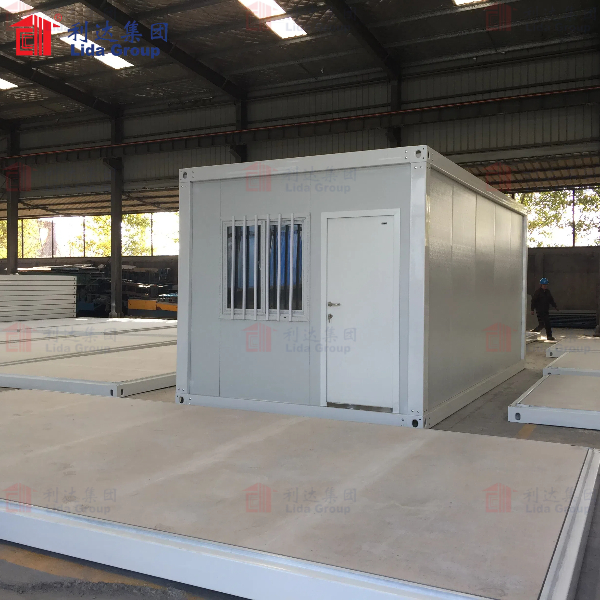
Applications of 40FT Container Homes in Construction
1. Worker Accommodation
The primary use of 40FT container homes on construction sites is for worker accommodation. They provide a practical and comfortable living space for workers, enhancing their productivity and overall experience on-site.
2. Temporary Offices
In addition to housing, container homes can be converted into temporary office spaces for project managers and supervisors. This dual functionality maximizes the use of available resources and provides a centralized location for project coordination.
3. Storage Units
Container homes can also be used as secure storage spaces for tools, equipment, and materials. This reduces the risk of theft and damage, ensuring that valuable assets are kept safe and organized.
4. Meeting Spaces
Container homes can be configured to serve as meeting rooms for team discussions, training sessions, or safety briefings. This flexibility allows construction teams to conduct necessary meetings on-site without needing to travel to off-site facilities.
Design Considerations for Container Homes
1. Insulation and Climate Control
Proper insulation is crucial for maintaining a comfortable temperature inside a container home. Depending on the climate of the construction site, various insulation materials can be used to ensure that the interior remains cool in summer and warm in winter. Additionally, incorporating windows and ventilation will improve airflow and natural lighting.
2. Interior Layout
Designing the interior layout is essential for maximizing space in a 40FT container home. Considerations should include the placement of sleeping areas, kitchen facilities, and common spaces. Creative storage solutions, such as built-in shelving and under-bed storage, can help optimize the available space.
3. Utilities and Amenities
While some workers may prefer a more basic setup, others may require modern amenities. Installing a kitchenette, bathroom facilities, and electricity can significantly enhance the comfort of a container home. It’s important to assess the needs of the workforce and provide appropriate amenities.
Overcoming Challenges
While there are many benefits to using a 40FT container home for construction site accommodation, it’s important to address potential challenges:
1. Zoning and Regulations
Before setting up a container home, it’s vital to research local zoning laws and building regulations. Some areas may have restrictions on using shipping containers for residential purposes, and compliance with local codes is essential.
2. Initial Costs
While container homes can be more affordable in the long run, the initial investment may still be significant. Costs can include purchasing the container, modifications, site preparation, and utility installations. Budgeting appropriately and considering long-term savings is crucial.
3. Limited Space
Although a 40FT container offers ample space for accommodation, it may still feel cramped for larger groups. Careful planning and design can help maximize the available space and ensure comfort for all occupants.
Conclusion
Choosing a 40FT container home for construction site accommodation offers a range of advantages, from cost-effectiveness and flexibility to comfort and sustainability. As the construction industry continues to evolve, container homes are proving to be a practical solution for meeting the accommodation needs of workers.
By providing a comfortable, durable, and eco-friendly living environment, container homes enhance worker morale and productivity, ultimately contributing to the success of construction projects. As businesses seek innovative housing solutions, the 40FT container home stands out as a viable option that meets the demands of modern construction.
In summary, the 40FT container home represents more than just a temporary accommodation solution; it embodies a shift towards more sustainable, efficient, and worker-friendly practices in the construction industry. Investing in container homes not only benefits workers but also aligns with broader goals of sustainability and innovation in construction.
Contact Us
Post time: Oct-08-2024